Dermabrasion
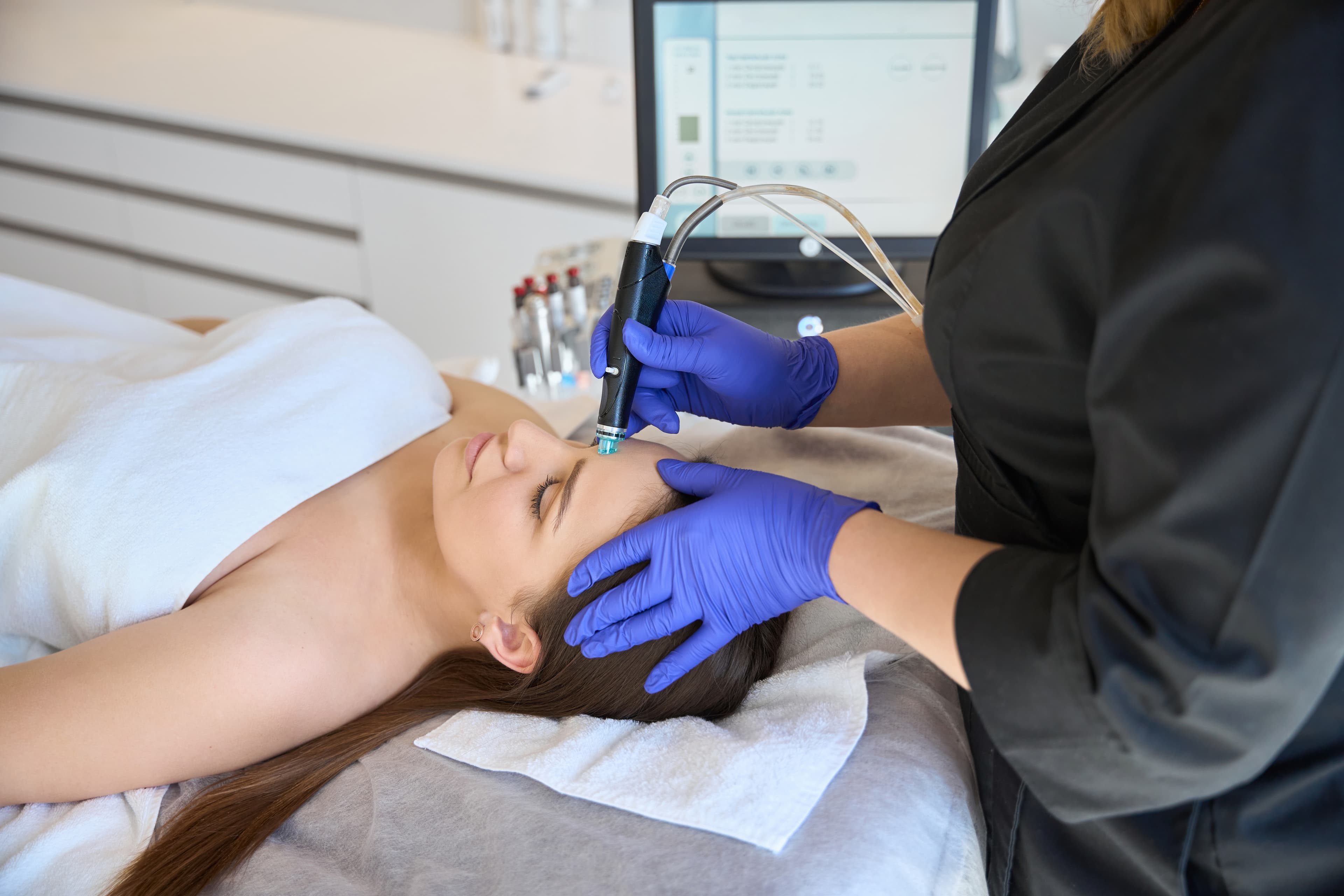
Dermabrasion is a mechanical resurfacing treatment that removes the upper skin layer with a fast-moving tool. As new skin heals in, texture can look smoother, but recovery and pigment risk must be taken seriously.
Type
Mechanical resurfacing
Focus
Texture/scars
Downtime
Expected
Key risk
Color change
§ The read
More than
a menu item.
Dermabrasion is more serious than a polishing facial. It mechanically resurfaces the skin, which can be useful for selected scars, rough texture, and fine lines, but the tradeoff is recovery.
Skin tone, scar tendency, acne activity, cold sore history, isotretinoin history, and sun exposure all matter. The best design decision may be to delay, prep, choose a lighter option, or pair resurfacing with a longer-term skin plan.
Good fit for
- Acne-scar texture discussions
- Rough texture
- Selected fine lines
- Surface irregularity
§ FAQ
The small
print, clearly.
- 01
Is dermabrasion the same as microdermabrasion?
No. Dermabrasion is a deeper mechanical resurfacing treatment and usually involves more recovery.
- 02
How long does healing take?
Healing depends on depth and skin response. Redness, swelling, sensitivity, and color changes can last beyond the first few days.
- 03
Can it help acne scars?
It can help selected texture concerns, including some acne scarring, but scar type and skin tone determine whether it is a good option.
- 04
Why is sun protection emphasized so much?
Freshly resurfaced skin is more prone to pigment change. Sun exposure can undo improvement or create longer-term discoloration.
- 05
How do I know if this is the right service?
The safest answer comes from a consultation. Your skin, medical history, goals, medications, prior treatments, and tolerance for downtime all change what is appropriate.
Next step
Start with
a consult.
More from the menu
Other protocols.
Botox
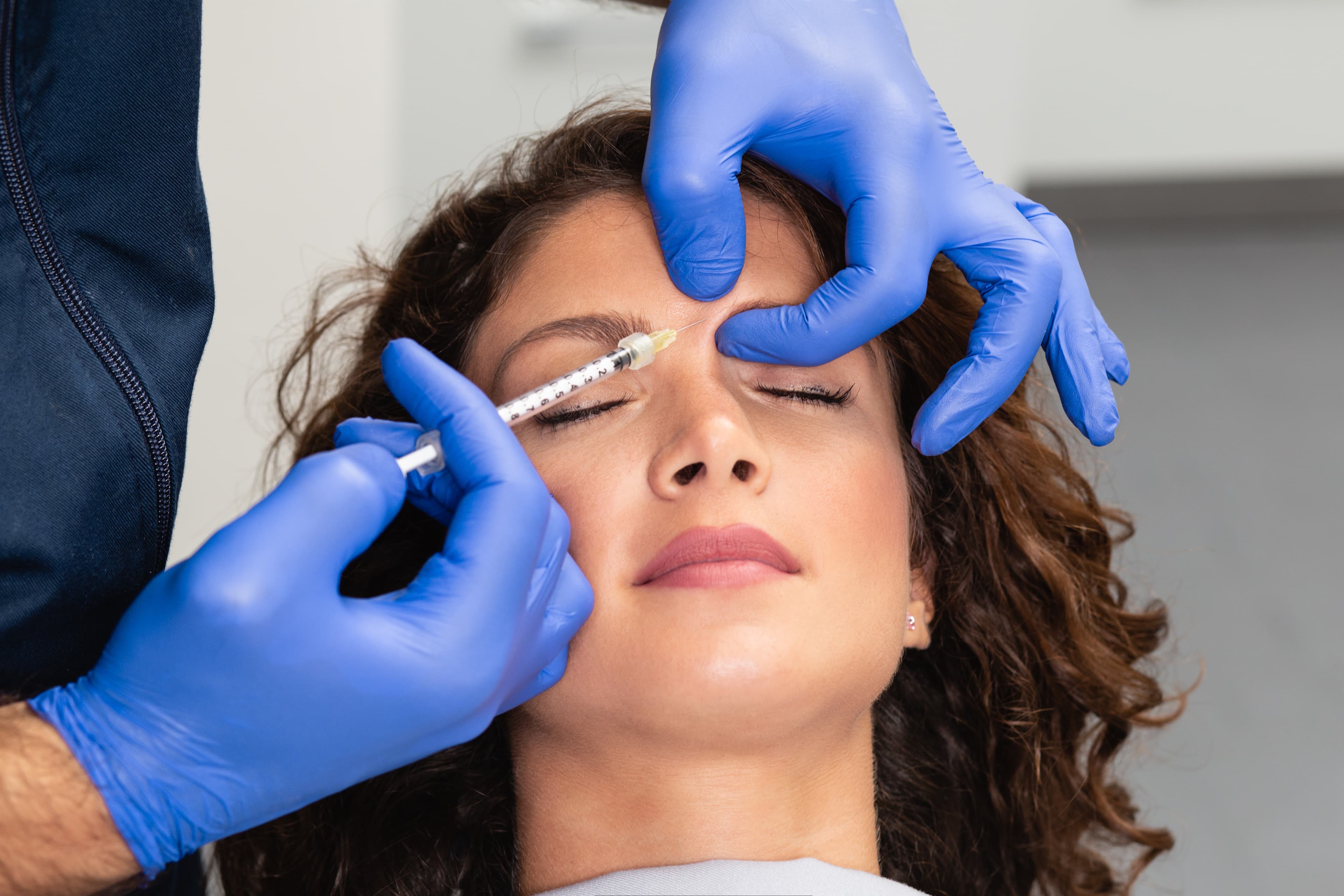
A neuromodulator treatment for expression lines, planned around movement rather than stillness.
Dermal Filler
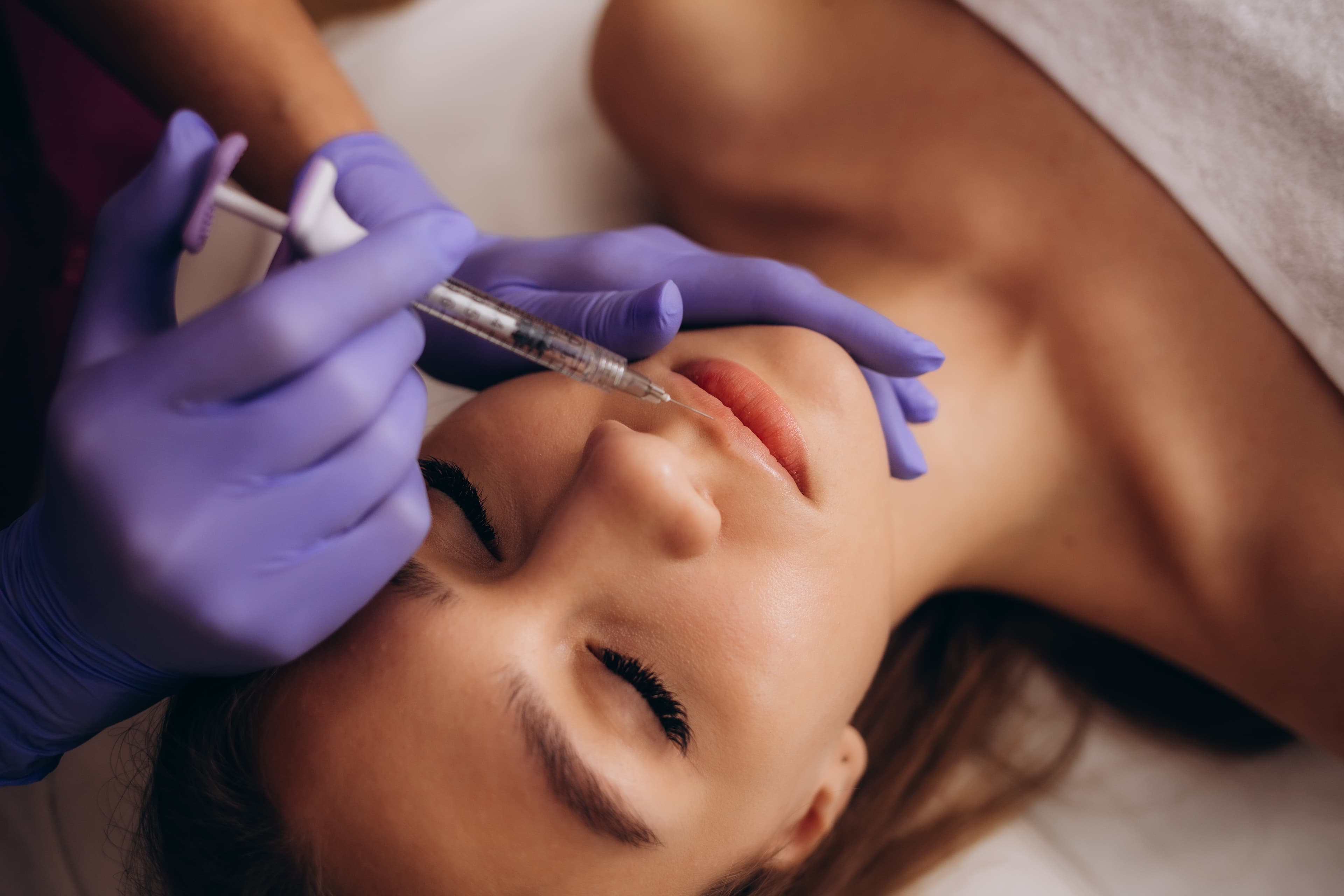
Soft-tissue filler for volume, contour, hydration, and proportion when structure has changed.
PRP Treatment
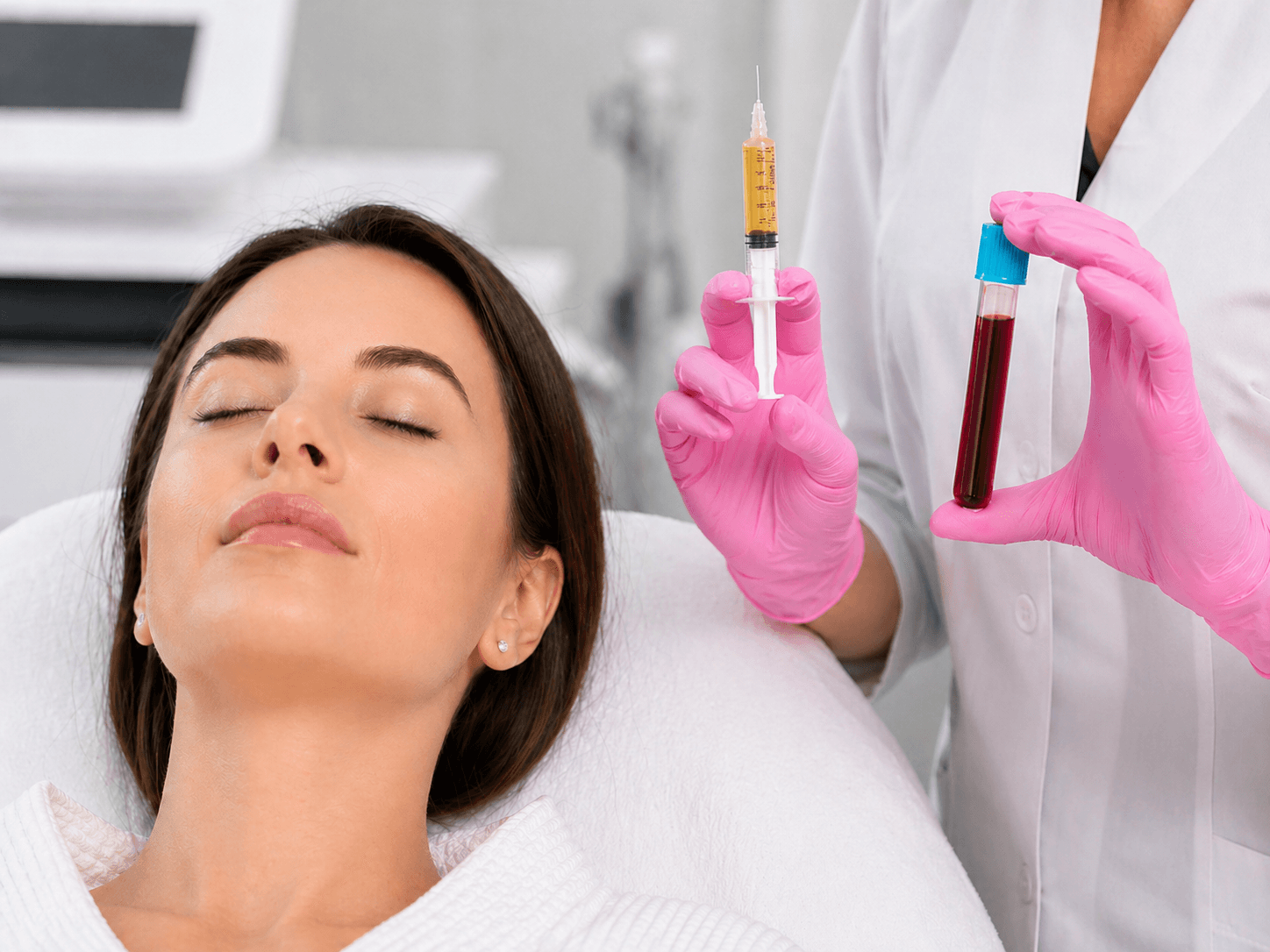
Platelet-rich plasma made from your own blood, used in selected skin and hair-support protocols.