Dermal Peel
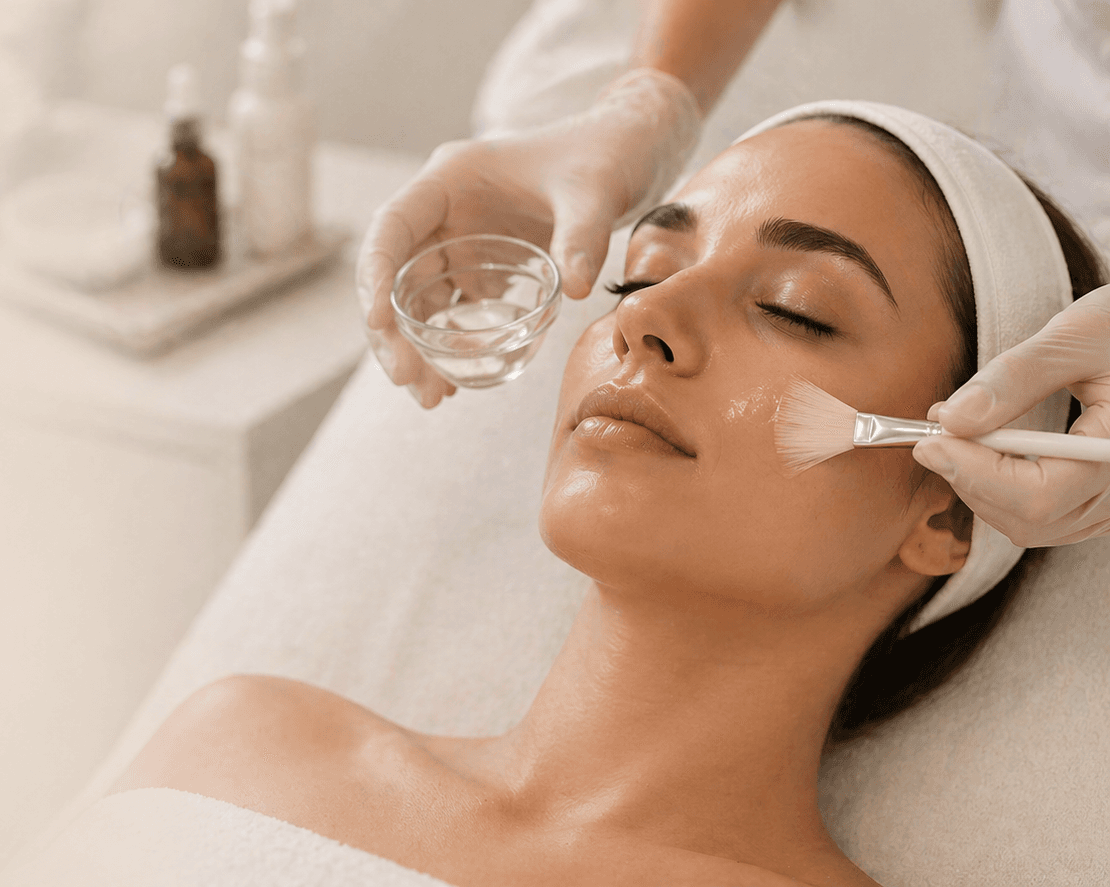
A chemical peel uses a chemical solution to remove outer skin layers so the skin that grows back can look smoother. Peel depth matters: light, medium, and deeper peels have different recovery and risk profiles.
Type
Chemical resurfacing
Depth
Light to deeper options
Downtime
Depth-dependent
Key risk
Pigment change
§ The read
More than
a menu item.
Peels are deceptively simple: apply solution, create a controlled injury, let the skin renew. The sophistication is in choosing the right acid, strength, contact time, preparation, and aftercare for your actual skin.
Light peels can support tone, congestion, and texture with less recovery. Medium or deeper peels may create more visible change but bring more downtime and greater risk, especially for people prone to hyperpigmentation.
Good fit for
- Uneven texture
- Dullness
- Post-acne marks
- Congestion
§ FAQ
The small
print, clearly.
- 01
Will I visibly peel?
Maybe. Light peels may create mild flaking, while stronger peels can involve more obvious shedding and longer recovery.
- 02
Can peels treat melasma or pigmentation?
They can be part of a pigment plan, but pigment is complex. Incorrect depth or aftercare can worsen discoloration.
- 03
Can I do a peel before an event?
A conservative glow-style peel may fit some timelines, but stronger peels should be planned well before important dates.
- 04
What should I avoid afterward?
Sun exposure, picking, scrubs, strong actives, and heat are commonly limited while the barrier is healing.
- 05
How do I know if this is the right service?
The safest answer comes from a consultation. Your skin, medical history, goals, medications, prior treatments, and tolerance for downtime all change what is appropriate.
Next step
Start with
a consult.
More from the menu
Other protocols.
Botox
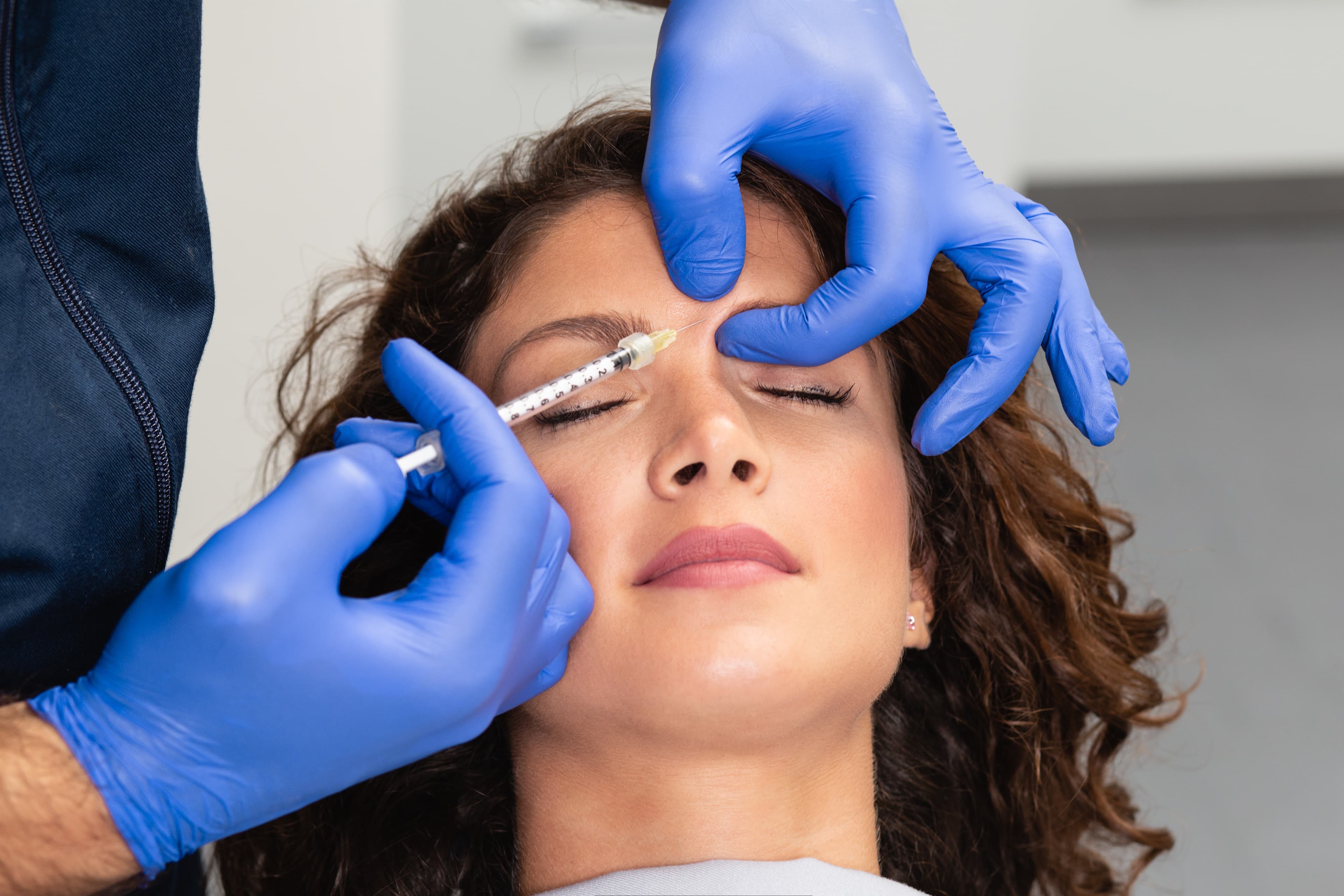
A neuromodulator treatment for expression lines, planned around movement rather than stillness.
Dermal Filler
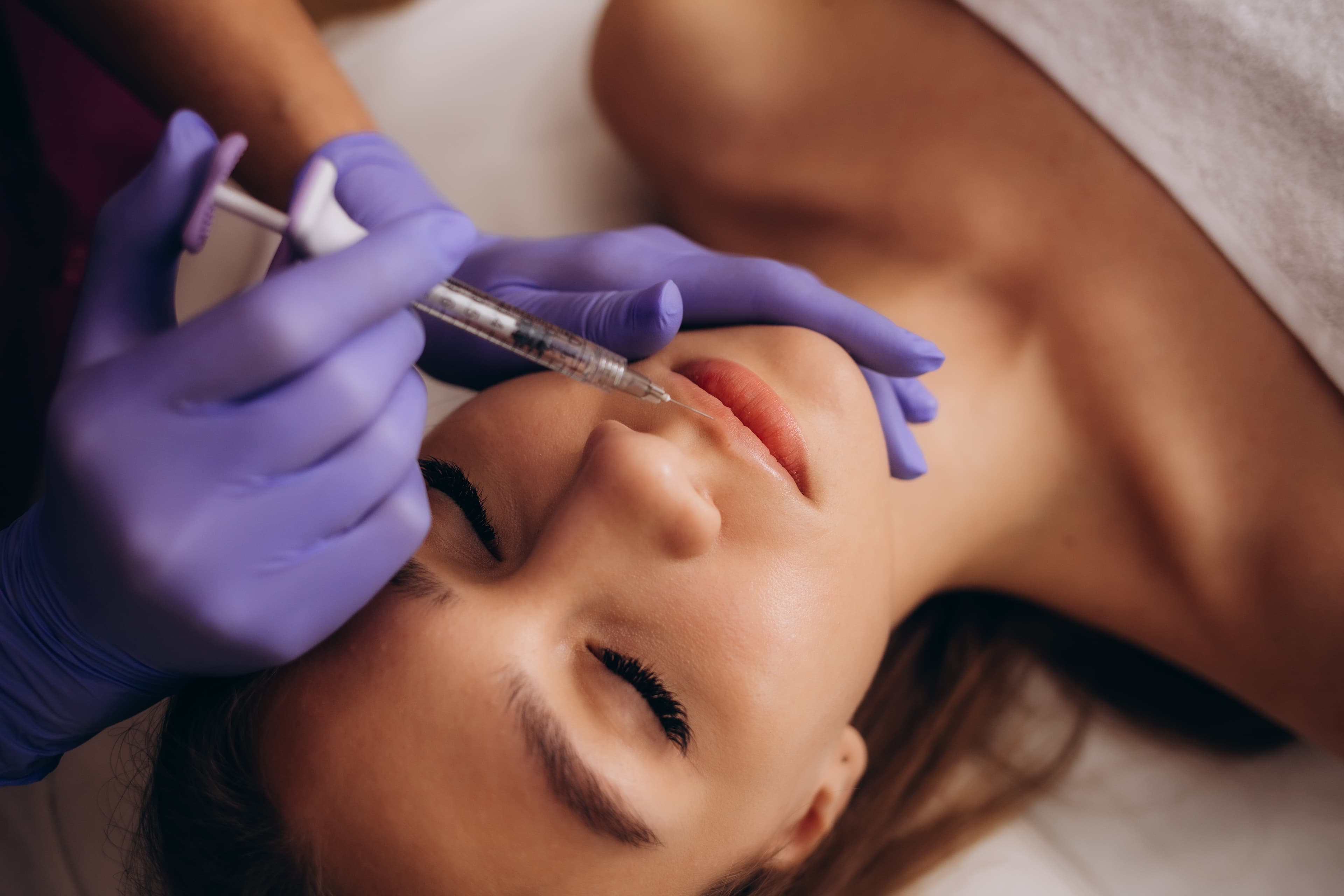
Soft-tissue filler for volume, contour, hydration, and proportion when structure has changed.
PRP Treatment
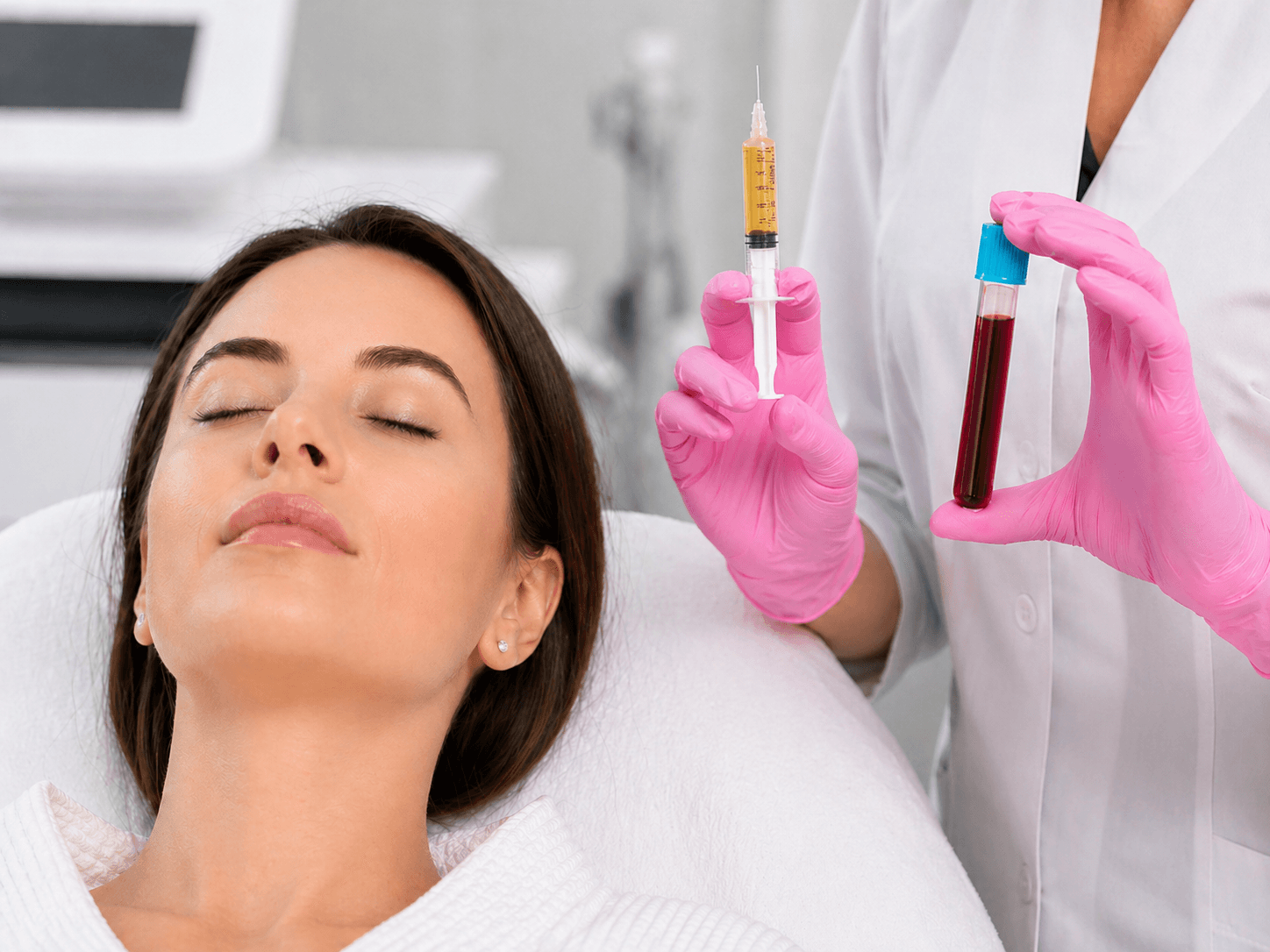
Platelet-rich plasma made from your own blood, used in selected skin and hair-support protocols.